Manure Runoff & Lagoon Spills: Why Your GL Excludes Pollution
By Josh Cotner
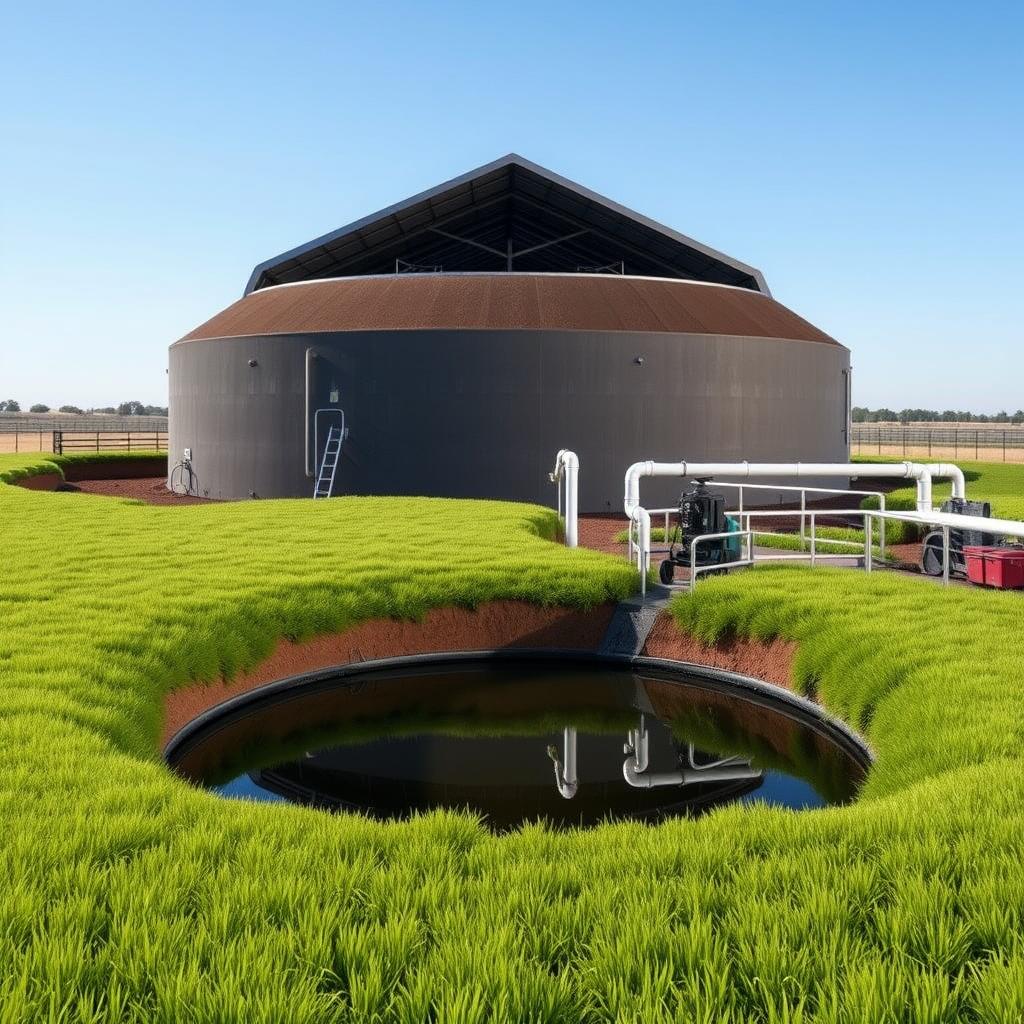
Manure Runoff & Lagoon Spills: Why Your GL Excludes Pollution
Of all the exposures on a modern dairy, manure is the one most likely to produce a six-figure third-party claim — and the one most likely to be uncovered by a standard policy.
Here's why, and what to do about it.
The Pollution Exclusion in Plain English
Nearly every commercial general liability (GL) and farm-owner policy contains a pollution exclusion. The exact wording varies, but the effect is the same: the policy does not pay for bodily injury or property damage arising out of the discharge, dispersal, release, or escape of waste, manure, fertilizer, fuel, or chemicals.
That means the most common environmental claims on a dairy are excluded:
- A lagoon berm fails and manure reaches a neighbor's property or a waterway
- Nutrient or fertilizer runoff contaminates a downstream water source
- A fuel or chemical leak from a storage tank requires cleanup
- A neighbor sues over odor, water contamination, or crop damage from runoff
Without dedicated environmental coverage, the dairy pays the cleanup, the third-party damages, and the defense costs out of pocket.
Sudden vs. Gradual — the Coverage Split
Environmental liability comes in two flavors, and the difference matters enormously for dairies:
- Sudden and accidental coverage pays for an abrupt release — a lagoon breach, a tank rupture, a spill. Many basic forms cover only this.
- Gradual / non-sudden coverage pays for slow releases — long-term nutrient runoff, a slow liner leak, seepage that builds over seasons.
Most real dairy claims are a mix. A lagoon failure is sudden; the nutrient-loading that triggered a water-quality violation leading up to it is gradual. Dairies usually need both, and the cheapest quotes cover only sudden.
What Environmental Liability Actually Covers
A well-structured dairy pollution policy covers:
- On-site and off-site cleanup and remediation of a release
- Third-party bodily injury and property damage from a release
- Defense costs for environmental claims and lawsuits
- Both sudden and gradual releases (the critical part)
- Lagoon, manure-storage, fuel, fertilizer, and agrichemical exposures
Your Nutrient-Management Plan Is Your Best Friend
Here's the good news: the same practices regulators want to see are exactly what underwriters want to see. A documented nutrient-management plan, regular lagoon inspection records, setback compliance, and good housekeeping don't just reduce your real-world risk — they materially improve both the placement and the price of environmental coverage.
When we place dairy pollution coverage, we help you package that documentation so underwriters see a well-run operation, not a worst-case risk.
What If You've Been Declined?
It's common. Standard carriers decline dairies over the age of a lagoon, a prior water-quality violation, location in a sensitive watershed, or simply the size of the herd. That doesn't mean you're uninsurable — it means you need an excess-and-surplus (E&S) environmental market.
We have E&S environmental markets for dairies that standard carriers won't write. Bring us your situation — even if you've been declined — and we'll find a path.
Every dairy carries this exposure. The only question is whether it's insured. If your current policy relies on the GL form, it probably isn't.
Need this coverage for your dairy?
Get a real quote in about 15 minutes — we shop A-rated specialty ag markets.