Why a Standard Farm Policy Won't Pay for Dead Dairy Cattle
By Josh Cotner
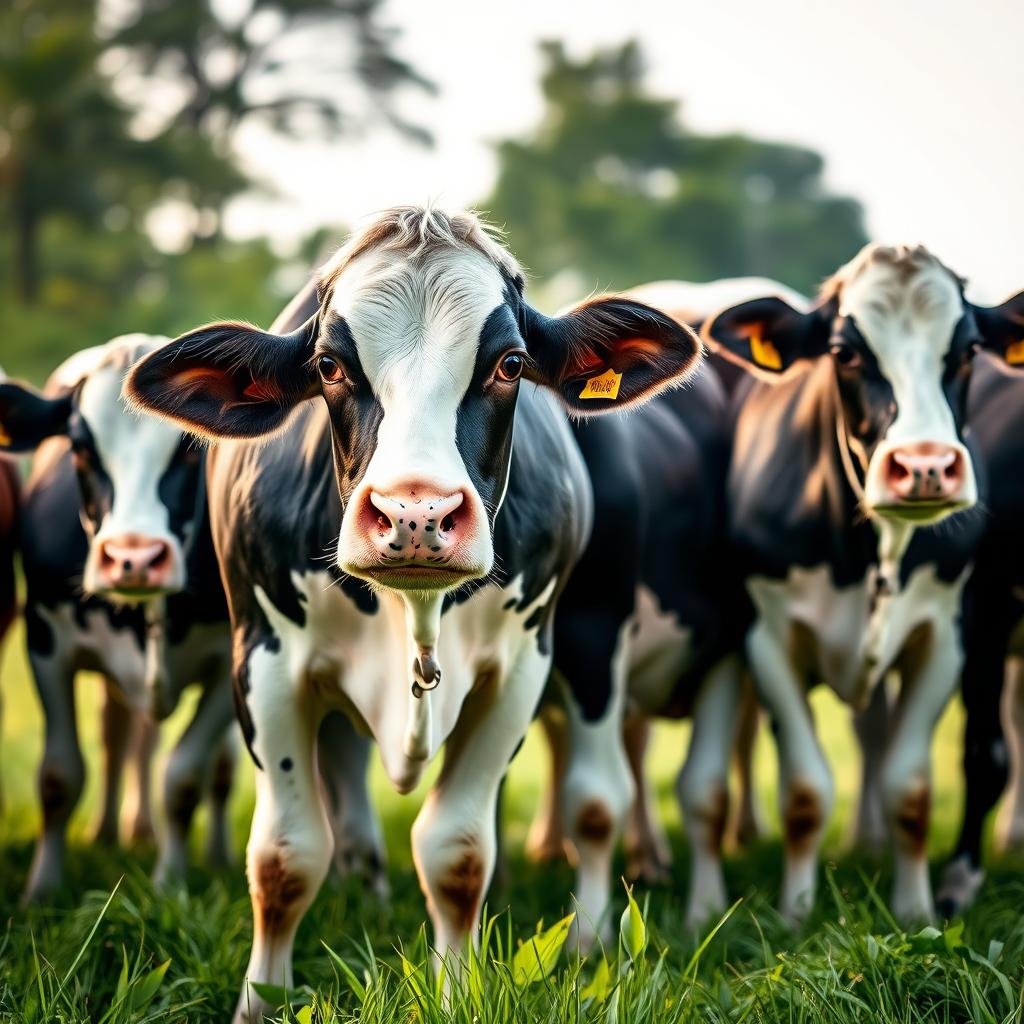
Why a Standard Farm Policy Won't Pay for Dead Dairy Cattle
Your herd is the single most valuable asset on your dairy. So why do so many operations discover — only after a loss — that their insurance barely covers a dead cow?
For most dairies, the answer is a quiet gap between what feels like coverage and what actually pays.
The Hidden Gap in Farm-Owner Policies
A standard farm-owner (FP) policy is built around buildings and liability. It covers your barn, your parlor, your equipment, and your liability to others. What it does not meaningfully cover is the death of your animals.
When a milking cow dies — from disease, a calving complication, a stray voltage incident, or a barn fire — the FP policy pays little or nothing. A small " livestock" sublimit, if it exists at all, is a fraction of what the animal was worth. For registered and high-genetic stock, the gap can be thousands of dollars per head.
What Livestock Mortality Actually Covers
Livestock mortality is the coverage built specifically to insure the herd. A properly structured policy covers death from:
- Disease and illness
- Accidents — calving complications, equipment incidents, stray voltage
- Disaster — barn fire, lightning, windstorm
- Theft and, on some forms, mysterious disappearance of scheduled animals
It comes in two shapes:
- Named-peril (limited) mortality pays only for listed causes (fire, lightning, certain accidents).
- Full (broad) mortality covers death from almost any cause, including disease.
For valuable milking cows and registered breeding stock, most dairies want full mortality.
The Valuation Problem
Even with mortality coverage in place, how your animals are valued determines whether a claim makes you whole. There are two approaches:
- Flat rate per head — typical for grade cattle, valued at a set market rate.
- Individual scheduling — registered, show, and high-genetic animals valued on their own merit.
The difference at claim time is enormous. A flat-rate policy might pay $1,800 for a registered Jersey worth $6,000. Proper individual scheduling ensures the claim pays what the animal was actually worth.
Real Claim Scenarios
Barn fire. A fire kills 14 cows and damages the parlor. The FP policy pays to rebuild the barn. The 14 cows? Without livestock mortality, the herd loss is largely uncovered.
Disease outbreak. A contagious illness moves through the milking herd. Several valuable animals are lost. A named-peril policy excludes disease — only full mortality covers it.
Stray voltage. Chronic low-level voltage through the parlor suppresses production and, over time, contributes to animal loss. These losses are nearly impossible to recover without mortality coverage and good records.
What You Can Do Now
If you're not sure where your coverage stands, take three steps:
- Read your current policy's livestock section. Look for sublimits and perils covered.
- Document your herd. Animal ID, breed, age, and value — registration papers for registered stock. Good records mean fast, full claim payments.
- Get a mortality quote. It's typically 15 minutes on a call, and it protects the asset that drives your income.
If your current policy hasn't been reviewed for the livestock gap, call us. A 15-minute conversation could protect your operation from an uncovered five- or six-figure herd loss.
Need this coverage for your dairy?
Get a real quote in about 15 minutes — we shop A-rated specialty ag markets.