Dairy Workers' Comp: Class Codes That Actually Fit Your Crew
By Josh Cotner
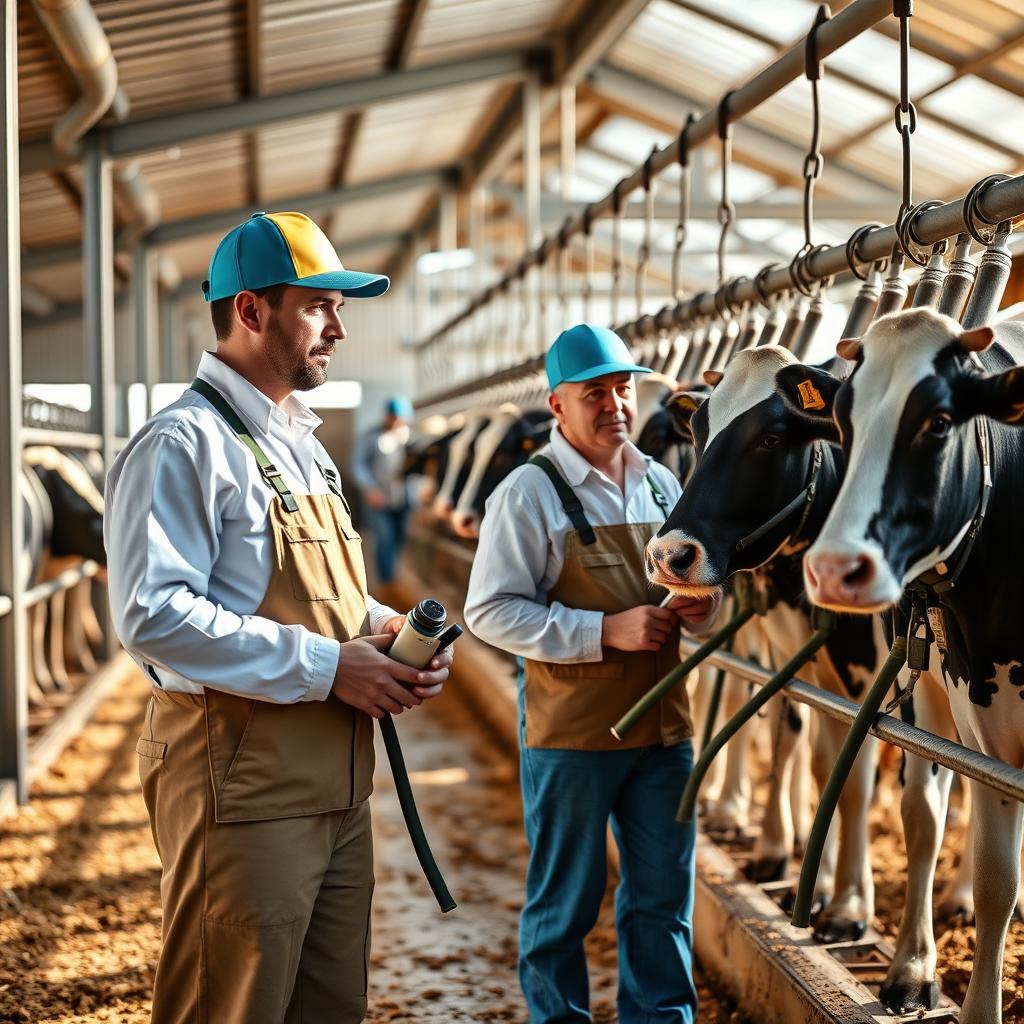
Dairy Workers' Comp: Class Codes That Actually Fit Your Crew
Dairy work is some of the most physically demanding labor in agriculture. Animal handling, wet parlor floors, heavy equipment, and chemical exposure all add up to a high-hazard profile — and workers' compensation is, in most states, mandatory the moment you have employees.
So why do so many dairies end up with the wrong class codes — and overpaying or undercovered as a result?
Why Class Codes Matter
Workers' comp premium is built on classification codes — standardized codes that match a job's hazard to a rate. The right codes reflect your crew's actual work; the wrong codes create two expensive problems:
- Overpayment. If your office staff and field crews are lumped into a high-hazard code, you're paying far more than you should.
- Undercoverage and audit surprises. If high-hazard dairy labor is misclassified into a low-hazard code to save premium, the policy isn't priced for the real exposure — and a premium audit can produce a large back bill or even a coverage dispute.
A Dairy Carries Several Codes
Most dairies don't have one job — they have several, and each should carry its own code:
- Milking and herd workers — the highest-hazard dairy labor (animal handling, wet floors, equipment)
- Feeding and field crews — tractor, mixer, and forage work
- Equipment operators — skid loaders, manure handling, parlor equipment
- Office staff — clerical, the lowest-hazard code
When everything gets dumped into a single generic "farm labor" code, you almost always get the rating wrong in one direction or the other. Correct, separate codes match the premium to the real exposure.
The High-Hazard Reality of Dairy Labor
The injury patterns on a dairy justify the high-hazard codes — and the coverage that goes with them:
- Animal-handling injuries — trampling, crushing, and kick injuries are common and serious
- Parlor injuries — slips on wet floors, crush injuries, repetitive-strain
- Equipment and PTO incidents — skid loaders, mixers, and power take-offs
- Chemical and manure exposure — cleaning chemicals, gases from manure storage
These are exactly the claims workers' comp is designed to cover — medical treatment, disability and lost-wage benefits, and employers' liability protection.
Seasonal and H-2A Labor
Seasonal and contract labor still has to be reflected in the policy. If your crew size swings through the year — spring heifer work, harvest, H-2A labor — the workers' comp program needs to cover your actual seasonal payroll and crew size. A static policy built on a single headcount leaves you exposed at audit, when the real payroll doesn't match what was insured.
How to Get It Right
If you're not sure your codes are correct, three steps:
- List your actual job roles and headcount for each — milking, feeding, equipment, office.
- Match each to the right hazard code, not a single generic farm code.
- Reflect your real payroll, including seasonal swings, so an audit doesn't become a surprise bill.
We class-code dairy labor to the actual workflow, and we structure the program to cover your real crew and payroll — so you're neither overpaying nor exposed when a claim happens. If your current workers' comp hasn't been reviewed against your real operation, it's worth a 15-minute conversation.
Need this coverage for your dairy?
Get a real quote in about 15 minutes — we shop A-rated specialty ag markets.